The Regiment of Princes
T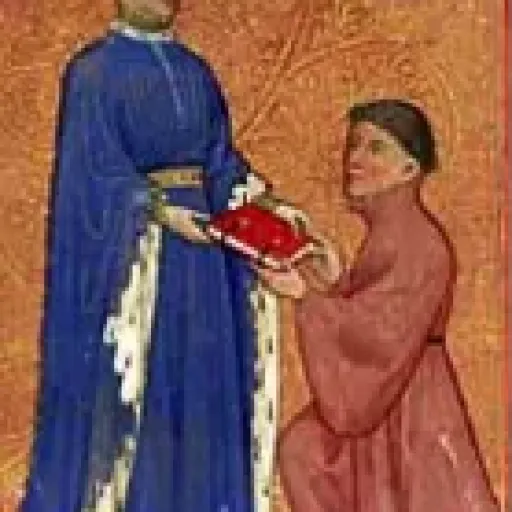 Thomas Hoccleve
0
Altın Yaprak
Musynge upon the restlees bysynesse
Which that this troubly world hath ay on honde,
That othir thyng than fruyt of bittirnesse
Ne yildith naght, as I can undirstonde,
At Chestres In, right faste by the Stronde,
As I lay in my bed upon a nyght,
Thoght me byrefte of sleep the force and might. 1
And many a day and nyght that wikkid hyne
Hadde beforn vexed my poore goost
So grevously that of angwissh and pyne
No rycher man was nowhere in no coost.
This dar I seyn, may no wight make his boost
That he with thoght was bet than I aqweynted,
For to the deeth he wel ny hath me feynted.
Bysyly in my mynde I gan revolve
The welthe unseur of every creature,
How lightly that Fortune it can dissolve
Whan that hir list that it no lenger dure;
And of the brotilnesse of hir nature
My tremblynge herte so greet gastnesse hadde
That my spirites were of my lyf sadde.
Me fil to mynde how that nat longe agoo
Fortunes strook doun thraste estat rial
Into mescheef, and I took heede also
Of many anothir lord that hadde a fal.
In mene estat eek sikirnesse at al
Ne saw I noon, but I sy atte laste
Wher seuretee for to abyde hir caste.
In poore estat shee pighte hir pavyloun
To kevere hir fro the storm of descendynge 2
For shee kneew no lower descencion
Sauf oonly deeth, fro which no wight lyvynge
Deffende him may; and thus in my musynge
I destitut was of joie and good hope,
And to myn ese nothyng cowde I grope.
For right as blyve ran it in my thoght,
Thogh poore I be, yit sumwhat leese I may.
Than deemed I that seurtee wolde noght
With me abyde; it is nat to hir pay
Ther to sojourne as shee descende may.
And thus unsikir of my smal lyflode,
Thoght leide on me ful many an hevy lode.
I thoghte eek, if I into povert creepe,
Than am I entred into sikirnesse;
But swich seurtee mighte I ay waille and weepe,
For povert breedith naght but hevynesse.
Allas, wher is this worldes stablenesse?
Heer up, heer doun; heer honour, heer repreef;
Now hool, now seek; now bountee, now mescheef.
And whan I hadde rollid up and doun
This worldes stormy wawes in my mynde,
I sy wel povert was exclusioun
Of al welfare regnynge in mankynde;
And how in bookes thus writen I fynde,
"The werste kynde of wrecchidnesse is
A man to han be weleful or this."
Allas, thoghte I, what sikirnesse is that
To lyve ay seur of greef and of nusance?
What shal I do? Best is I stryve nat
Ageyn the peys of Fortunes balance,
For wel I woot that hir brotil constance
A wight no whyle souffre can sojourne
In o plyt; thus nat wiste I how to tourne.
For whan man weeneth stonde moost constant,
Thanne is he nexte to his overthrowynge;
So flittynge is shee and so variant,
Ther is no trust upon hir fair lawhynge;
Aftir glad look, shee shapith hir to stynge.
I was adrad so of hir gerynesse
That my lyf was but a deedly gladnesse.
This ilke nyght I walwid to and fro
Seekynge reste, but certeynly shee
Appeerid nat, for thoght, my cruel fo,
Chaced had hir and sleep away fro me.
And for I sholde nat allone be,
Ageyn my lust wach proferred his servyse,
And I admittid him in hevy wyse.
So long a nyght ne felte I nevere noon
As was that same, to my jugement.
Whoso that thoghty is, is wo begoon;
The thoghtful wight is vessel of torment;
Ther nis no greef to him equipollent.
He graveth deepest of seeknesses alle:
Ful wo is him that in swich thoght is falle.
What wight that inly pensyf is, I trowe,
His moost desir is to be solitarie.
That this is sooth, in my persone I knowe,
For evere whyl that fretynge adversarie
Myn herte made to him tributarie
In sowkynge of the fressheste of my blood;
To sorwe soul me thoghte it dide me good.
For the nature of hevynesse is this:
If it habownde greetly in a wight,
The place eschueth he whereas joie is,
For joie and he nat mowe accorde aright.
As discordant as day is unto nyght,
And honour adversarie is unto shame,
Is hevynesse so to joie and game.
Whan to the thoghtful wight is told a tale,
He heerith it as thogh he thennes were;
His hevy thoghtes him so plukke and hale
Hidir and thidir, and him greeve and dere,
That his eres availle him nat a pere;
He undirstandith nothyng what men seye,
So been his wittes fer goon hem to pleye.
The smert of thoght I by experience
Knowe as wel as any man dooth lyvynge.
His frosty swoot and fyry hoot fervence,
And troubly dremes drempt al in wakynge,
My mazid heed sleeplees han of konnynge
And wit despoillid, and so me bejapid
That aftir deeth ful often have I gapid.
Passe over; whan this stormy nyght was goon
And day gan at my wyndowe in to prye,
I roos me up, for boote fond I noon
In myn unresty bed lenger to lye.
Into the feeld I dressid me in hye,
And in my wo I herte-deep gan wade,
As he that was bareyne of thoghtes glade.
By that I walkid hadde a certeyn tyme,
Were it an hour I not, or more or lesse,
A poore old hoor man cam walkynge by me,
And seide, "Good day, sire, and God yow blesse!"
But I no word, for my seekly distresse
Forbad myn eres usen hir office,
For which this old man heeld me lewde and nyce,
Til he took heede to my drery cheere,
And to my deedly colour pale and wan.
Than thoghte he thus: "This man that I see heere
Al wrong is wrestid, by aght I see can."
He stirte unto me and seide, "Sleepstow, man?
Awake!" and gan me shake wondir faste,
And with a sigh I answerde atte laste:
"A, who is there?" "I," quod this olde greye,
"Am heer," and he me tolde the manere
How he spak to me, as yee herde me seye.
"O man," quod I, "for Crystes love deere,
If that thow wilt aght doon at my prayeere,
As go thy way, talke to me no more;
Thy wordes alle annoyen me ful sore.
"Voide fro me, me list no conpaignie.
Encresse nat my greef, I have ynow."
"My sone, hast thow good lust thy sorwe drye
And mayst releeved be? What man art thow?
Wirke aftir me: it shal be for thy prow.
Thow nart but yong and hast but litil seen,
And ful seelde is that yong folk wyse been.
"If that thee lyke to been esid wel,
As suffre me with thee to talke a whyle.
Art thow aght lettred?" "Yee," quod I, "sumdel."
"Blessid be God, than hope I, by Seint Gyle,
That God to thee thy wit shal reconsyle
Which that me thynkith is fer fro thee went
Thurgh the assaut of thy grevous torment.
"Lettred folk han gretter discrecion
And bet conceyve konne a mannes sawe,
And rather wole applie to reson,
And from folie sonner hem withdrawe,
Than he that neithir reson can ne lawe,
Ne lerned hath no maner letterure.
Plukke up thyn herte - I hope I shal thee cure."
"Cure, good man? Yee, thow art a fair leeche!
Cure thyself that tremblest as thow goost,
For al thyn aart wole enden in thy speeche.
It lyth nat in thy power, poore goost,
To hele me; thow art as seek almoost
As I! First on thyself kythe thyn aart,
And if aght leve, let me thanne have paart.
"Go foorth thy way, I thee preye, or be stille;
Thow doost me more annoy than that thow weenest.
Thow art as ful of clap as is a mille;
Thow doost naght heer but greevest me and teenest.
Good man, thow woost but litil what thow meenest.
In thee lyth naght redresse my nusance,
And yit thow maist be wel-willid, par chance.
"It muste been a gretter man of might
Than that thow art that sholde me releeve."
"What, sone myn, thow feelist nat aright;
To herkne me, what shal it harme or greeve?"
"Petir, good man, thogh we talke heer til eeve,
Al is in veyn; thy might may nat atteyne
To hele me, swich is my woful peyne."
"What that I may or can ne woost thow noght.
Hardily, sone, telle on how it is."
"Man, at a word, it is encombrous thoght
That causith me thus sorwe and fare amis."
"Now, sone, and if ther nothyng be but this,
Do as I shal thee seye, and thyn estat
Amende I shal but thow be obstinat,
"And wilfully rebelle and disobeye,
And list nat to my lore thee conforme;
For in swich cas, what sholde I speke or seye,
Or in my beste wyse thee enforme?
If thow it weyve and take anothir forme,
Aftir thy childissh misreuled conceit,
Thow doost unto thyself harm and deceit.
"O thyng seye I, if thow go feerelees
Al solitarie and conseil lakke and reed,
As me thynkith thy gyse is, doutelees
Thow likly art to bere a dotid heed.
Whil thow art soul, thoght his wastyng seed
Sowith in thee, and that in greet foysoun,
And thow reedlees nat canst voide his poisoun.
"The Book seith thus - I redde it yore agoon:
'Wo be to him that list to been allone,
For if he falle, help ne hath he noon
To ryse.' This seye I by thy persone;
I fond thee soul and thy wittes echone
Fer fro thee fled and disparpled ful wyde,
Wherfore it seemeth thee needith a gyde,
"Which that thee may unto thy wittes lede.
Thow graspist heer and there as dooth the blynde,
And ay misgoost, and yit, have I no drede,
If thow receyve wilt into thy mynde
My lore and execute it, thow shalt fynde
Therin swich ese that thy maladie
Abregge it shal and thy malencolie.
"Ful holsum were it stynten of thy wo
And take unto thee spirit of gladnesse.
What profyt fyndest thow to mourne so?
Salomon seith that sorwe and hevynesse
Bones of man drieth by his duresse,
And herte glad makith florisshyng age;
Therfore I rede thow thy wo asswage.
"He seith: 'As motthes to a clooth annoyen
And of his wolle maken it al bare,
And also as wormes a tree destroien
Thurgh hir percynge, right so sorwe and care
Byreven man his helthe and his welfare
And his dayes abregge and shorte his lyf.'
Lo, what profyt is for to be pensyf?
"Now, goode sone, telle on thy grevance:
What is thy cause of thoght in special?
Haast thow of worldly goodes habundance
And carist how that it ykept be shal?
Or art thow needy and hast nat but smal,
And thristist sore a ryche man to be?
Or lovest hire that nat loveth thee?
"I have herd seyn, in keepynge of richesse
Is thoght and wo and bisy awayt alway. 3
The poore and needy eek hath hevynesse,
For to his purpos nat atteyne he may;
The lovere also seen men day by day
Prolle aftir that that he shal nevere fynde;
Thus thoght tormentith folk in sundry kynde.
"If thow thee feele in any of thise ygreeved
Or elles what, telle on, in Goddes name.
Thow seest al day the begger is releeved
That sit and beggith blynd, crookid, and lame,
And why? For he ne lettith for no shame
His harmes and his povert to bywreye
To folk as they goon by him in the weye.
"For and he keepe him cloos and holde his pees,
And nat out shewe how seek he inward is,
He may al day so sitten helpelees;
And, sone myn, althogh he fare amis
That hydeth so, God woot, the wyt is his;
But this begger his hurtes wole nat stele;
He wole telle al and more - he can naght hele.
"Right so, if thee list have a remedie
Of thyn annoy that prikkith thee so smerte,
The verray cause of thyn hid maladie
Thow moot deskevere and telle out al thyn herte.
If thow it hyde, thow shalt nat asterte
That thow ne falle shalt in sum meschance;
Forthy amende thow thy governance.
"Be waar of thoght, for it is perillous;
He the streight way to desconfort men ledith;
His violence is ful outrageous;
Unwys is he that bisy thoght ne dredith.
In whom that he his mortel venym shedith,
But if a vomyt aftir folwe blyve,
At the port of despeir he may arryve.
"Sone, swich thoght lurkynge thee withynne,
That huntith aftir thy confusioun,
Hy tyme it is to voide and lat him twynne,
And walke at large out of thy prisoun.
Be waar the feendes sly conclusioun,
For if he may thee unto despeir brynge,
Thow mourne shalt, and lawhe he wole and synge.
"Sum man for lak of occupacioun
Musith ferthere than his wit may strecche,
And at the feendes instigacioun
Dampnable errour holdith, and can nat flecche
For no conseil ne reed, as dide a wrecche
Nat fern ago, which that of heresie
Convict and brent was unto asshen drie.
"The precious body of our Lord Jhesu
In forme of brede he leeved nat at al;
He was in nothyng abassht ne eschu
To seye it was but brede material.
He seide a preestes power was as smal
As a rakers or swich anothir wight,
And to make it hadde no gretter might.
"My lord the Prince - God him save and blesse -
Was at his deedly castigacioun
And of his soule hadde greet tendrenesse,
Thristynge sore his sauvacioun.
Greet was his pitous lamentacioun
Whan that this renegat nat wolde blynne
Of the stynkynge errour that he was ynne.
"This good lord highte him to be swich a mene
To his fadir, our lige lord sovereyn,
If he renounce wolde his error clene
And come unto our good byleeve ageyn,
He sholde of his lyf seur been and certain;
And souffissant lyflode eek sholde he have
Unto the day he clad were in his grave.
"Also this noble prynce and worthy knyght -
God qwyte him his charitable labour -
Or any stikke kyndlid were or light,
The sacrament, our blessid Sauveour,
With reverence greet and hy honour,
He fecche leet, this wrecche to converte,
And make our feith to synken in his herte.
"But al for naght, it wolde nat betyde;
He heeld foorth his oppinioun dampnable,
And caste our holy Cristen feith asyde
As he that was to the feend acceptable.
By any outward tokne resonable,
If he inward hadde any repentance,
That woot He that of nothyng hath doutance.
"Lat the dyvynes of him speke and muse
Where his soule is bycome or whidir goon;
Myn unkonnynge of that me shal excuse;
Of swich mateere knowleche have I noon.
But wolde God tho Crystes foos echoon
That holde as he heeld were yserved so,
For I am seur that ther been many mo.
"The more routhe is! Allas, what men been they
That hem delyten in swich surquidrye?
For mannes reson may nat preeve our fey
That they wole it dispreeven or denye.
To our lord God that sitte in hevenes hye,
Shul they desyre for to been egal?
Nay, that was nevere, certes, ne be shal.
"That our lord God seith in Holy Scripture
May nat be fals, this knowith every wight
But he be mad; and thogh a creature
In his Goddes werk feele nat aright,
Shal he rebelle ageyn his lordes might,
Which that this wyde world hath maad of noght,
For reson may nat knytte it in his thoght?
"Was it nat eek a moustre as in nature
That God ybore was of a virgyne?
Yit is it sooth, thogh man by conjecture
Of reson or what he can ymagyne
Nat savoure it ne can it determyne.
He that almighty is dooth as him list;
He wole his konnynge hid be and nat wist.
"Our feith nat were unto us meritorie
If that we mighten by reson it preeve.
Lat us nat fro God twynnen and His glorie;
As Holy Chirche us bit, lat us byleeve.
But we therto obeye, it shal us greeve
Importably; lat us do as shee bit;
Oure goode fadres olde han folwed it.
"Presumpcion, a benedicitee!
Why vexest thow folk with thy franesie,
Thogh nothyng elles were, I seye for me?
But see how that the worthy prelacie,
And undir hem the souffissant clergie,
Endowid of profounde intelligence,
Of al this land werreyen thy sentence.
"That selve same to me were a brydil
By which wolde I governed been and gyed,
And elles al my labour were in ydil.
By Holy Chirche I wole be justified;
To that al hoolly is myn herte applied,
And evere shal. I truste in Goddes grace;
Swich surquidrie in me shal have no place.
"Sone, if God wole, thow art noon of tho
That wrappid been in this dampnacioun?"
"I? Cryst forbeede it, sire," seide I tho.
"I thanke it God, noon inclinacioun
Have I to laboure in probacioun
Of His hy knowleche and His mighty werkis,
For swich mateere unto my wit to derk is.
"Of our feith wole I nat despute at al,
But at o word, I in the sacrament
Of the auter fully byleeve and shal,
With Goddes help, whil lyf is to me lent,
And in despit of the feendes talent,
In alle othir articles of the feith
Byleeve as fer as that Holy Writ seith."
"Now good thrift come unto thee, sone deere;
Thy goost is now awakid wel, I see,
And sumwhat eek amendid is thy cheere.
And first I was ful sore agast of thee,
Lest that thow thurgh thoghtful adversitee
Nat haddest standen in thy feith aright;
Now is myn herte woxen glad and light.
"Hast thow in me any gretter savour
Than that thow haddest first whan thow me sy,
Whan I opposid thee of thy langour?
Seye on the soothe." "Yee, sumdel," quod I.
"My sone, in feith that is seid ful feyntly;
Thy savour yit ful smal is, as I trowe,
But or aght longe I shal the soothe knowe.
"I woot wel, sone, of me thus wilt thow thynke:
This olde dotid grisel halt him wys; 4
He weeneth maken in myn heed to synke
His lewde clap, of which sette I no prys.
He is a noble prechour at devys;
Greet noyse hath thurgh his chynned lippes drye
This day out past, the devel in his ye.
"But thogh I old and hoor be, sone myn,
And poore be my clothynge and array,
And nat so wyde a gowne have as is thyn -
So smal ypynchid ne so fressh and gay -
My reed in hap yit thee profyte may,
And likly that thow deemest for folie
Is gretter wysdam than thow canst espie.
"Undir an old poore habyt regneth ofte
Greet vertu, thogh it moustre poorely;
And whereas greet array is up on lofte,
Vice is but seelden hid - that wel woot I.
But nat reporte, I preye thee, inwardly,
That fressh array I generally deprave;
Thise worthy men mowe it wel use and have.
"But this me thynkith an abusioun,
To see oon walke in gownes of scarlet
Twelve yerdes wyde, with pendaunt sleeves doun
On the ground, and the furrour therin set,
Amountyng unto twenti pound or bet.
And if he for it paied have, he no good
Hath left him wherwith for to bye an hood.
"For thogh he gette foorth among the prees
And overlooke every poore wight,
His cofre and eek his purs been penylees;
He hath no more than he gooth in right.
For land, rente, or catel he may go light;
The weighte of hem shal nat so moche peise
As dooth his gowne. Is swich array to preise?
"Nay, soothly, sone, it is al mis, me thynkith,
So poore a wight his lord to countrefete
In his array; in my conceit it stynkith.
Certes to blame been the lordes grete,
If that I durste seyn, that hir men lete
Usurpe swich a lordly apparaille;
It is nat worth, my chyld, withouten faille.
"Sumtyme afer men mighten lordes knowe
By hir array from othir folk, but now
A man shal studie and musen a long throwe
Which is which. O lordes, it sit to yow
Amende this, for it is for your prow;
If twixt yow and your men no difference
Be in array, lesse is your reverence.
"Also ther is anothir neewe get:
A foul waast of clooth and an excessyf
Ther gooth, no lesse in a mannes typet
Than of brood clooth a yerde, by my lyf;
Me thynkith this a verray inductyf
Unto stelthe. Waar hem of hempen lane,
For stelthe is medid with a chekelewe bane.
"Let every lord his owne men deffende
Swich greet array, and thanne, on my peril,
This land withynne a whyle shal amende.
In Goddes name, putte it in exyl;
It is a synne outrageous and vyl;
Lordes, if yee your estat and honour
Loven, fleemeth this vicious errour.
"What is a lord withouten his meynee?
I putte cas that his foos him assaille
Sodeynly in the street: what help shal he
Whos sleeves encombrous so syde traille
Do to his lord? He may him nat availle;
In swich a cas he nis but a womman;
He may nat stande him in stide of a man.
"His armes two han right ynow to doone,
And sumwhat more, his sleeves up to holde.
The taillours, trowe I, moot heeraftir soone
Shape in the feeld; they shul nat sprede and folde
On hir bord, thogh they nevere so fayn wolde,
The clooth that shal been in a gowne wroght;
Take an hool clooth is best, for lesse is noght.
"The skynner unto the feeld moot also -
His hous in Londoun is to streit and scars
To doon his craft; sumtyme it was nat so.
O lordes, geve unto your men hir pars
That so doon, and aqweynte hem bet with Mars,
God of bataille; he loveth noon array
That hurtith manhode at preef or assay.
"Who now moost may bere on his bak at ones
Of clooth and furrour hath a fressh renoun;
He is a lusty man clept, for the nones.
But drapers and eek skynners in the toun
For swich folk han a special orisoun,
That droppid is with curses heer and there,
And ay shal til they paied be for hir gere.
"In dayes olde, whan smal apparaille
Souffysid unto hy estat or mene,
Was greet houshold wel stuffid of vitaille;
But now housholdes been ful sclendre and lene,
For al the good that men may repe or glene
Waastid is in outrageous array,
So that housholdes men nat holde may.
"Pryde hath wel lever bere an hungry mawe
To bedde than lak of array outrage.
He no prys settith by mesures lawe,
Ne takith of him clooth, mete, ne wage;
Mesure is out of land on pilgrimage;
But I suppose he shal resorte as blyve,
For verray neede wole us therto dryve.
"Ther may no lord take up no neewe gyse
But that a knave shal the same up take.
If lordes wolden wirken in this wyse
For to do swiche gownes to hem make
As men dide in old tyme, I undirtake,
The same get sholde up be take and usid,
And al this costlewe outrage refusid.
"Of Lancastre Duk John, whos soule in hevene
I fully deeme and truste sit ful hye -
A noble prince, I may allegge and nevene -
Othir may no man of him testifie;
I nevere sy a lord that cowde him gye
Bet lyk his estat; al knyghtly prowesse
Was to him girt - o God, his soule blesse!
"His garnementes weren nat ful wyde,
And yit they him becam wondirly wel.
Now wolde God the waast of clooth and pryde
Yput were in exyl perpetuel
For the good and profyt universel;
And lordes mighte helpe al this, if they wolde
The old get take, and it foorth use and holde.
"Than mighte silver walke more thikke
Among the peple than that it dooth now.
Ther wolde I fayn that were yset the prikke -
Nat for myself, I shal do wel ynow -
But, sone, for that swiche men as thow,
That with the world wrastlen, mighte han plentee
Of coyn, whereas yee han now scarsetee.
"Now hath this land but litil neede of bromes
To sweepe away the filthe out of the street,
Syn syde sleeves of penylees gromes
Wole it up likke, be it drie or weet.
O Engeland, stande upright on thy feet!
So foul a waast in so symple degree
Banisshe, or sore it shal repente thee.
"If a wight vertuous but narwe clothid
To lordes courtes now adayes go,
His conpaignie is unto folkes lothid;
Men passen by him bothe to and fro,
And scorne him for he is arraied so.
To hir conceit is no wight vertuous
But he that of array is outrageous.
"But he that flatere can or be a baude,
And by tho tweyne fressh array him gete,
It holden is to him honour and laude.
Trouthe and clennesse musten men forgete
In lordes courtes, for they hertes frete;
They hyndren folk. Fy upon tonges treewe!
They displesance in lordes courtes breewe.
"Lo, sone myn, that tale is at an eende.
Now, goode sone, have of me no desdeyn,
Thogh I be old and myn array untheende,
For many a yong man, woot I wel certeyn,
Of corage is so prowd and so hauteyn
That to the poore and old mannes doctryne
Ful seelde him deyneth bowen or enclyne.
"Senek seith, age is an infirmitee
That leche noon can cure ne it hele,
For to the deeth next neigheburgh is he.
Ther may no wight the chartre of lyf ensele;
The ende is deeth of male and of femele;
Nothyng is more certeyn than deeth is,
Ne more uncerteyn than the tyme, ywis.
"As touchynge age, God in Holy Writ
Right thus seith: 'Fadir and modir honure,
That thow maist be long-lyved' - thus he bit.
Than moot it folwen upon this scripture,
Age is a guerdoun to a creature,
And long-lyved is noon withouten age,
Wherfore I seye, in elde is avauntage;
"And the reward of God may nat be smal;
His giftes been ful noble and profitable;
Forthy ne lakke thow nat age at al.
Whan youthe is past is age sesonable;
Age hath insighte how unseur and unstable
This worldes cours is by lengthe of his yeeres,
And can deffende him from his sharpe breres.
"Lord, whethir it be maistrie to knowe
Whan a man ofte hath sundry weyes ride,
Which is the beste? Nay, for soothe, I trowe,
Right so he that hath many a world abide
There he in youthe wroghte mis or dide,
His age it seeth and bit him it eschue
And seekith weyes covenable and due.
"Whan that thow hast assayed bothe two,
Sad age, I seye, aftir thy skittissh yowthe,
As thow moot needes atteyne therto
Or sterve yong, than trowe I thow wilt bowe thee
To swiche conceites as I have nowthe,
And thanke God devoutly in thyn herte
That He hath suffrid thee thy yowthe asterte.
"Youthe ful smal reward hath to goodnesse,
And peril dredith he noon, woot I wel;
Al his devocion and holynesse
At the taverne is, as for the moost del;
To Bachus signe and to the levesel
His youthe him halith, and whan it him happith
To chirche goon, of nycetee he clappith.
"The cause why men oghten thidir goon,
Nat cause can his wilde steerissh heed
To folwen it. Also, boote is it noon
To telle it him, for thogh men sowen seed
Of vertu, in a yong man it is deed;
As blyve his rebel goost it mortifieth.
Al thyng sauf folie in a yong man dieth.
"Whan I was yong, I was ful rechelees,
Prowd, nyce, and riotous for the maistrie,
And among othir, consciencelees.
By that sette I nat the worth of a flie;
And of hem hauntid I the conpaignie
That wente on pilgrimage to taverne,
Which before unthrift berith the lanterne.
"There offred I wel more than my tythe,
And withdrow Holy Chirche his duetee.
My freendes me conseillid often sythe
That I with lownesse and humilitee
To my curat go sholde and make his gree,
But straw, unto hir reed wolde I nat bowe
For aght they cowden preyen alle or wowe!
"Whan folk wel reuled dressid hem to bedde
In tyme due by reed of nature,
To the taverne qwikly I me spedde
And pleide at dees whil the nyght wolde endure.
There the former of every creature
Dismembred I with oothes grete, and rente
Lym fro lym or that I thennes wente.
"And ofte it fals was that I swoor or spak,
For the desir fervent of covetyse
Fond in perjurie no deffaute or lak,
But evere entyced me that in al wyse
Myne oothes grete I sholde excercyse,
And specially for lucre, in al maneere,
Swere and forswere with bold face and cheere.
"But this condicioun, lo, hadde I evere:
Thogh I prowd were in wordes or in speeche,
Whan strokes cam, a place I gan dissevere;
Fro my felawes soghte I nevere leeche
For hurt which that I took; what sholde I seeche
A salve whan I therof had no neede?
I hurtlees was ay thurgh impressid dreede.
"Tho mighte I spende an hundred mark by yeer,
Al thyng deduct, my sone, I gabbe noght.
I was so prowd, I heeld no man my peere;
In pryde and leccherie was al my thoght.
No more I hadde set therby or roght
A wyf or mayde or nonne to deffoule
Than sheete or pleyen at the bal or boule.
"Right nyce girles at my retenue
Had I an heep, wyves and othir mo -
What so they were, I wolde noon eschue;
And yeeres fele I continued so.
Allas, I nothyng was waar of the wo
That folwed me; I lookid nat behynde;
Conceites yonge been ful dirk and blynde.
"An office also hadde I lucratyf,
And wan ynow, God woot, and mochil more,
But nevere thoghte I in al my yong lyf
What I unjustly gat for to restore,
Wherfore I now repente wondir sore;
As it misgoten was, mis was despendid,
Of which our lord God greetly was offendid.
"He sy I nolde absteene for no good
Of myn outrageous iniquitee,
And whan that His lust was, withdrow the flood
Of welthe, and at ground ebbe sette He me;
With povert for my gilt me feffid He.
Swich wreche took He for my cursid synne;
No more good have I than I stonde ynne.
"Gold, silver, jewel, clooth, beddyng, array -
Ne have I noon othir than thow maist see;
Pardee, this bare old russet is nat gay,
And in my purs so grete sommes be
That ther nis contour in al Cristientee
Which that hem can at any noumbre sette.
That shalt thow see, my purs I wole unshette.
"Come hidir to me, sone, and looke whethir
In this purs ther be any crois or crouche
Sauf nedel and threde and themel of lethir;
Heer seestow naght that man may handele or touche.
The feend, men seyn, may hoppen in a pouche
Whan that no crois therynne may appeere,
And by my purs the same I may seye heere.
"O, where is now al the wantoun moneye
That I was maistir of and governour,
Whan I kneew nat what povert was to seye?
Now is povert the glas and the mirour
In which I see my God, my sauveour.
Or povert cam, wiste I nat what God was,
But now I knowe and see Him in this glas.
"And where be my gownes of scarlet,
Sangwyn, murray, and blewes sadde and lighte;
Greenes also, and the fair violet;
Hors and harneys, fressh and lusty in sighte -
My wikkid lyf hath put al this to flighte.
But, certes, yit me greeveth moost of alle,
My frendshipe is al clene fro me falle.
"O whyle I stood in wele, I was honurid
And many oon of my conpaignie glad,
And now I am mislookid on and lourid;
Ther rekkith noon how wo I be bystad.
O Lord, this world unstable is and unsad;
This world honureth nat mannes persone
For himself, sone, but for good allone.
"Ful sooth fynde I the word of Salomon,
That to moneie obeien alle thynges;
For that my coyn and coynworth is agoon,
Contrarien they my wil and my biddynges,
That in my welthe with hir flaterynges
Heelden with me what that I wroghte or seide;
Now disobeyen they that thanne obeide.
"Now seyn they thus: 'I wiste wel alway
That him destroie wolde his fool largesse;
I tolde him so and evere he seide nay.'
And yit they lien, also God me blesse;
They me conforted ay in myn excesse,
And seide I was a manly man withalle;
Hir hony wordes tornen me to galle.
"God, which of His benigne courtesie,
And of His cheere lovynge tendrenesse,
He of the synful hath nat wole he die,
But lyve for to amende his wikkidnesse;
Him thanke I and His infynyt goodnesse;
His grace lykith that thurgh worldly peyne
My soule eschape may the feendes cheyne.
"Job hadde an hevyer fal than I, pardee,
For he was clumben hyer in richesse,
And paciently he his adversitee
Took, as the Byble bere can witnesse.
And aftirward, God al his hevynesse
Torned to joie, and so may He do myn
Whan that it lykith to His myght devyn.
"Lord, as Thee list, right so Thow to me do;
But evere I hope seur been of that place
Which that Thy mercy boght us hath unto,
If that us list for to sue Thy grace.
A! Lord almighty, in my lyves space,
Of my gilt graunte Thow me repentance,
And Thy strook take in greable souffrance.
"I cowde of youthe han talkid more and told
Than I have doon, but the day passith swythe,
And eek me lever is by many fold
Thy greef to knowe which that sit so ny thee.
Telle on anoon, my goode sone, and hye thee,
And I shal herknen as thow hast doon me,
And, as I can, wole I conseille thee."
"Grant mercy, deere fadir, of your speeche.
Yee han right wel me conforted and esid;
And hertily I preye yow and byseeche,
What I first to yow spak, be nat displesid;
It reewith me if I yow have disesid,
And meekly yow byseeche I of pardoun,
Me submittynge unto correccioun.
"I woot wel first, whan that I with yow mette,
I was ful mad and spak ful rudely.
Thogh I nat slepte, yit my spirit mette
Ful angry dremes; thoght ful bysyly
Vexid my goost so that nothyng wiste I
What that I to yow spak or what I thoghte,
But heer and there I myselven soghte.
"I preye yow, deemeth nat that in despyt
I hadde yow for age or povertee;
I mente it nat, but I stood in swich plyt
That it was nothyng likly unto me,
Thogh yee had knowen al my privetee,
That yee mighten my greef thus han abregged
As yee han doon, so sore I was agregged.
"Fadir, as wysly God me save and speede,
Yee been nat he whom that I wende han fownde;
Yee been to me ful welcome in this neede.
I woot wel yee in hy vertu habownde;
Your wys reed hope I hele shal my wownde;
My day of helthe is present, as me thynkith;
Your confort deepe into myn herte synkith.
"Myn herte seith that your benevolence,
Of routhe meeved and verray pitee
Of my wo, dooth his peyne and diligence
Me to releeve of myn infirmitee.
O, goode fadir, blessid moot yee be,
That han swich routhe of my woful estat,
Which wel ny was of helthe desperat.
"But, fadir, thogh ther be dyversitee
Ful greet betwixt your excellent prudence
And the folie that regneth in me,
Yit, God it woot, ful litil difference
Is ther betwixt the hete and the fervence
Of love which to agid folk yee have
And myn, althogh yee deeme I hem deprave.
"For if that I the soothe shal confesse,
The lak of olde mennes cherisshynge
Is cause and ground of al myn hevynesse
And encheson of my woful mournynge.
That shal yee knowe, if it be your lykynge
The cause wite of myn adversitee."
"Yis, telle on in the name of Cryst," seide he.
"Sauf first, or thow any ferther proceede,
O thyng of thee wite wolde I, my sone:
Wher dwellist thow?" "Fadir, withouten dreede,
In the office of the Privee Seel I wone
And wryte - there is my custume and wone
Unto the Seel, and have twenti yeer
And foure come Estren, and that is neer."
"Now sikir, sone, that is a fair tyme;
The tokne is good of thy continuance.
Come hidir, goode, and sitte adoun heer by me,
For I moot reste a whyle; it is penance
To me thus longe walke - it dooth nusance
Unto my crookid, feeble lymes olde,
That been so stif, unnethe I may hem folde."
Whan I was set adoun as he me preide,
"Telle on," seide he, "how is it with thee, how?"
And I began my tale and thus I seide:
"My lige lord, the kyng which that is now,
I fynde to me gracious ynow;
God yilde him, he hath for my long servyse
Guerdouned me in covenable wyse.
"In th'eschequeer, he of his special grace
Hath to me grauntid an annuitee
Of twenti mark whyle I have lyves space.
Mighte I ay payd been of that duetee,
It sholde stonde wel ynow with me;
But paiement is hard to gete adayes,
And that me putte in many foule affrayes.
"It gooth ful streite and sharpe or I it have.
If I seur were of it be satisfied
Fro yeer to yeer, thanne, so God me save,
My deepe-rootid greef were remedied
Souffissantly. But how I shal be gyed
Heeraftir, whan that I no lenger serve -
This hevyeth me so that I wel ny sterve.
"For syn that I now in myn age greene,
And beynge in court, with greet peyne unnethe
Am paid, in elde and out of court, I weene,
My purs for that may be a ferthyng shethe;
Lo, fadir myn, this dullith me to dethe.
Now God helpe al, for but he me socoure,
My future yeeres lyk been to be soure."
"Service, I woot wel, is noon heritage;
Whan I am out of court anothir day,
As I moot whan upon me hastith age
And that no lenger I laboure may,
Unto my poore cote, it is no nay,
I moot me drawe and my fortune abyde,
And suffre storm aftir the mery tyde.
"Ther preeve I shal the mutabilitee
Of this wrecchid worldes affeccion,
Which, whan that youthe is past, begynneth flee.
Frendshipe, adieu! Farwel, dileccion!
Age is put out of your proteccion;
His look unlusty and his inpotence
Qwenchith your love and your benevolence.
"That aftirclap in my mynde so deepe
Yficchid is, and hath swich roote ycaght,
That al my joie and mirthe is leid to sleepe;
My ship is wel ny with despeir yfraght.
They that nat konne lerned be ne taght
By swiche ensamples smerte as they han seen,
Me thynkith certes over blynde been.
"Allas! I see routhe and pitee exylid
Out of this land. Allas, conpassioun!
Whan shul yee thre to us be reconsylid?
Your absence is my grevous passioun;
Resorte, I preye yow, to this regioun;
O, come ageyn! The lak of your presence
Manaceth me to sterve in indigence.
"O fikil world, allas thy variance!
How many a gentil man may men now see
That whilom in the werres olde of France
Honured were and holde in greet cheertee
For hir prowesse in armes, and plentee
Of freendes hadde in youthe, and now, for shame,
Allas, hir frendshipe is crookid and lame!
"Now age unourne away puttith favour
That floury youthe in his seson conquerde;
Now al forgote is the manly labour
Thurgh which ful ofte they hir foos aferde.
Now been tho worthy men bet with the yerde
Of neede, allas, and noon hath of hem routhe;
Pitee I trowe is biried, by my trouthe.
"If shee be deed, God have hir soule, I preye,
And so shal mo heeraftir preye, I trowe.
He that pretendith him of moost nobleye,
If he hir lakke, shal wel wite and knowe
That crueltee hir fo may but a throwe
Him suffre for to lyve in any welthe;
Herte pitous to body and soule is helthe.
"Yee olde men of armes, that han knowe
By sight and by report hir worthynesse,
Lat nat mescheef tho men thus overthrowe;
Kythe upon hem your manly gentillesse.
Yee yonge men that entre into prowesse
Of armes eek, youre fadres olde honurith;
Helpe hem yourself, or sum good hem procurith.
"Knyghthode, awake! Thow sleepist to longe;
Thy brothir, see, ny dieth for mescheef;
Awake and reewe upon his peynes stronge.
If thow heeraftir come unto swich preef,
Thow wilt ful sore thriste aftir releef;
Thow art nat seur what that thee shal befalle.
Welthe is ful slipir; be waar lest thow falle.
"Thow that yclomben art in hy honoures,
And hast this worldes welthe at thy devys,
And bathist now in youthes lusty floures;
Be waar, rede I, thow standist on the ys.
It hath been seen, as weleful and as wys
As thow han slide; and thow that no pitee
On othir folk hast, who shal reewe on thee?
"Leeve me wel, ther is noon eerthely man
That hath so stable a welthe but that it
May faille, do he what that he do can.
God as him list visitith folk and smit;
Wherfore I deeme and holde it grace and wit
In hy estat, man God and himself knowe,
And releeve hem that mescheef hath doun throwe.
"God wole that the needy be releeved;
It is oon of the werkis of mercy.
And syn tho men that been in armes preeved
Been into povert falle, treewely
Yee men of armes oghten specially
Helpe hem. Allas! han yee no pitous blood
That may yow stire for to doon hem good?
"O now in ernest, deere fadir myn,
Thise worthy men to me the mirour shewe
Of slipir frendshipe, and unto what fyn
I drawe shal withyn a yeeres fewe.
Upon this woful thoght I hakke and hewe
And muse so that unto lyte I madde,
And lever die than lyven I hadde.
"In feith, fadir, my lyflode, besyde
Th'annuite of which above I tolde,
May nat exceede yeerly in no tyde
Six marc. That sit to myn herte so colde,
Whan that I looke abouten and beholde
How scars it is, if that that othir faille,
That I nat glade can but mourne and waille.
"And as ferfoorth as I can deeme or gesse,
Whan I at hoom dwelle in my poore cote,
I fynde shal as freendly slipirnesse
As tho men now doon, whos frendshipe is rote.
Nat wolde I rekke as mochil as a mote,
Thogh I no more hadde of yeerly encrees,
So that I mighte ay payed be doutlees.
"Two parties of my lyf and mochil more
I seur am past been - I ne doute it noght;
And if that I sholde in my yeeres hore
Forgo my duetee that I have boght
With my flessh and my blood, that hevy thoght,
Which I drede ay shal falle as I it thynke,
Me hastith blyve unto my pittes brynke.
Faylynge, fadir, myn annuitee,
Foot-hoot in me creepith disese and wo,
For they that han byfore knowen me,
Faylynge good, me faille wole also.
Who no good hath is fer his freendes fro.
In muk is al this worldes freendlyhede;
My goost is wrappid in an hevy drede.
"If that I hadde of custume or this tyme
Lyved in indigences wrecchidnesse,
The lesse heeraftir sholde it sit by me;
But in myn age wrastle with hardnesse,
That with him stroglid nevere in the grennesse
Of youthe - that mutacion and chaunge
Anothir day me seeme sholde al straunge.
"He that nevere kneew the swetnesse of wele,
Thogh he it lakke ay, lesse him greeve it shal
Than him that hath been welthy yeeres fele,
And in effect hath felt no greef at al.
O povert, God me sheelde fro thy fal!
O deeth! Thy strook yit is more agreable
To me than lyve a lyf so miserable.
"Six marc yeerly and no more than that,
Fadir, to me me thynkith is ful lyte,
Considerynge how that I am nat
In housbondrye lerned worth a myte;
Scarsely kowde I charre away the kyte
That me byreve wolde my pullaille,
And more axith housbondly governaille.
"With plow can I nat medlen ne with harwe,
Ne woot nat what lond good is for what corn,
And for to lade a cart or fille a barwe,
To which I nevere usid was toforn;
My bak unbuxum hath swich thyng forsworn,
At instaunce of wrytynge, his werreyour,
That stowpynge hath him spilt with his labour.
"Many men, fadir, weenen that wrytynge
No travaille is; they holde it but a game;
Aart hath no fo but swich folk unkonnynge.
But whoso list desporte him in that same,
Let him continue and he shal fynde it grame;
It is wel gretter labour than it seemeth;
The blynde man of colours al wrong deemeth.
"A wryter moot thre thynges to him knytte,
And in tho may be no disseverance:
Mynde, ye, and hand - noon may from othir flitte,
But in hem moot be joynt continuance;
The mynde al hool, withouten variance,
On ye and hand awayte moot alway,
And they two eek on him, it is no nay.
"Whoso shal wryte, may nat holde a tale
With him and him, ne synge this ne that;
But al his wittes hoole, grete and smale,
Ther muste appeere and holden hem therat;
And syn he speke may ne synge nat,
But bothe two he needes moot forbere,
His labour to him is the elengere.
"Thise artificers see I day by day,
In the hootteste of al hir bysynesse,
Talken and synge and make game and play,
And foorth hir labour passith with gladnesse;
But we laboure in travaillous stilnesse;
We stowpe and stare upon the sheepes skyn,
And keepe moot our song and wordes yn.
"Wrytyng also dooth grete annoyes thre,
Of which ful fewe folkes taken heede
Sauf we ourself, and thise, lo, they be:
Stommak is oon, whom stowpynge out of dreede
Annoyeth sore; and to our bakkes neede
Moot it be grevous; and the thridde oure yen
Upon the whyte mochil sorwe dryen.
"What man that three and twenti yeer and more
In wrytynge hath continued, as have I,
I dar wel seyn, it smertith him ful sore
In every veyne and place of his body;
And yen moost it greeveth, treewely,
Of any craft that man can ymagyne.
Fadir, in feith, it spilt hath wel ny myne.
"Lo, fadir, told have I yow the substance
Of al my greef, so as that I can telle.
But wel I woot it hath been greet penance
To yow with me so longe for to dwelle;
I am right sikir it hath been an helle
Yow for to herkne me thus jangle and clappe,
So lewdly in my termes I me wrappe.
"But, nathelees, truste I your pacience
Receyve wole in gree my wordes alle,
And what misseid I have of negligence,
Yee wole it lete asyde slippe and falle.
My fadir deere, unto your grace I calle;
Yee woot my greef; now redith me the beste,
Withouten whom my goost can have no reste."
"Now, sone myn, hastow al seid and spoke
That thee good lykith?" "Yee, fadir, as now."
"Sone, if aght in thyn herte elles be loke,
Unloke it blyve. Come of, what seistow?"
"Fadir, I can no more telle yow
Than I before spoken have and said."
"A Goddes half, sone, I am wel apaid.
"Conceyved have I that thow greet fere haast
Of povert for to fallen in the snare;
Thow haast therynne caght so deep a taast
That of al joie thow art voide and bare.
Thow ny despeired art of al welfare,
And the strook of povert art thow fer fro;
For shame, why makist thow al this wo?
"I putte cas, as God therfro thee keepe,
Thow were yfalle in indigent povert.
Sholdest thow grucche and thyn annoy byweepe?
Nay, be thow ryche or poore, or seek or qwert,
God thanke alway of thyn ese and thy smert;
Pryde thee nat for no prosperitee,
Ne hevye thee for noon adversitee.
"Povert hath in himself ynow grevance
Withouten that that man him more purchace;
Whoso it takth in pacient souffrance,
It is ful plesant beforn Crystes face;
And whoso grucchith, forfetith that grace
That he sholde han if that his pacience
Withstood the greef and made it resistence.
"My sone, as witnessith Holy Scripture,
Discreet and honest povert many fold
Commendid is. Cryst Himself, I thee ensure,
To love and teche and prechen it hath wold;
He dide al this. Be thow nevere so bold
Ageyn povert heeraftir grucche, I rede;
For ferthermore, in Holy Writ I rede:
"Beholde the lyf of our Sauveour,
Right fro the tyme of His nativitee
Unto His deeth, as that seith myn auctour,
And tokne in it shalt thow noon fynde or se
But of povert with which content was He.
Is man bettre than God? Shal man eschue
Swich lyf, syn God that same wolde ay sue?
"Fy! It is to greet an abusioun
To seen a man that is but wormes mete
Desire ryche and greet possessioun,
Wheras our lord God wolde Him entremete
Of no richesse - He deyned it nat gete;
He lyved poorely and povert chees,
That mighte han been ful ryche, it is no lees.
"The poore man sleepith ful sikirly
On nyghtes, thogh his dore be nat shit,
Whereas the riche abedde bysyly
Castith and ymagyneth in his wit
That necessarie unto him is it
Barres and lokkes stronge for to have,
His good from theeves for to keepe and save.
"And whan the deed sleep fallith atte laste
On him, he dremeth theeves comen yn
And on his cofres knokke and leye on faste;
And some hem pyke with a sotil gyn,
And up is broken lok, hasp, barre, and pyn,
And in the hand gooth, and the bagge out takith,
For sorwe of which, out of his sleep he wakith;
"And up he rysith, foot and hand tremblynge,
As that assaillid him the palesie,
And at a stirt, withouten taryynge,
Unto his cofre he dressith him in hye;
Or he ther come, he is in poynt to dye;
He it undooth and opneth for to se
If that his false goddes therin be.
"He dredith fynde it as that he hath drempt.
This worldes power and ryche habundance
Of drede of peril nevere been exempt,
But in povert is ay sikir constance;
Who holdith him content hath souffissance.
And, sone, by my reed thow shalt do so,
And by desir of good nat sette a slo.
"Wilful povert in princes ancien
So ferfoorth was that they desired more
Good loos than good, but now adayes men
Yerne and desyren aftir muk so sore
That they good fame han leid a watir yore,
And rekken nevere how longe it ther stepe
Or thogh it drenche, so they good may grepe.
"Of Sysile whilom ther was a kyng
With eerthen vessel served at his table,
And men wondrynge faste upon this thyng
Seide unto him, it was nat honurable
To his estat, ne nothyng commendable,
Axynge him why him list be served so;
To which demande he answerde tho:
"He seide, 'Thogh I kyng be of Sysile,
A potter was my fadir, it is no nay.
How longe I shal enduren or what while
In my prosperitee, nat knowe I may.
Fortunes variaunce I drede alway;
Right as shee made me to clymbe on highte,
Sodeynly so shee may me make alighte.
"'I thynke alway of my nativitee,
And of my poore lenage and my blood;
Eerthen vessel to swich a man as me
Ful sittyng is and acceptable and good.'
O fewe been ther now left of the brood
That he cam of - he loved bet profyt
Commun than his avantage or delyt.
"How seistow by Affrican Scipion -
Affrican clept for that he Affrik wan?
To povert hadde he swich affecion
Of his owne free wil and lust, that whan
He dyde, no good had this worthy man
Wherwith his body upon eerthe brynge,
But the commun cost made his enterynge.
"Beforn the senat was he bore on honde,
Ones aftir he Affrik wonnen hadde,
That he was ryche, as they cowde undirstonde,
Of gold, to which with wordes sobre and sadde
Answerde he thus: 'Thogh I be feeble and badde,
The soothe is, unto your subjeccioun
I gat Affrik, of that have I renoun.
"'My name was al that I there gat;
To wynne honour was oonly the purpoos
Which that I took or that I cam therat.
Othir good had I noon than ryche loos;
For al the good ther was open or cloos,
Myn herte mighte nat so wel contente
As the renoun oonly that I ther hente.
"Of covetyse he was nothyng coupable;
He sette nat therby, thow maist wel se.
Fy on the greedynesse insaciable
Of many a man that can nat content be
Of muk, althogh nevere so moche have he!
The kynde is evere of wrecchid covetyse
To coveite ay and have and nat souffyse.
"I wolde every knyght dide now the same,
And were of good no more coveitous
Than he was. What! To gete a noble fame
To knyghthode is tresor moost precious;
But I was nevere so aventurous
Renoun to wynne by swerdes conquest,
For I was bred in a peisible nest.
"Upon my bak cam nevere haburgeon,
Ne my knyf drow I nevere in violence.
I may nat countrefete Scipion
In armes, ne his worthy excellence
Of wilful povert, but of indigence
I am as ryche as was evere any man;
Suffre it in pacience if that I can.
"No rycher man am I than thow maist see.
Of myne have I nothyng to take to;
I lyve of almesse. If it stood with thee
So streite and lyvedest as that I do,
I see thow woldest sorwe swiche two
As I; but thow hast for to lyven oon
A poore lyf, and swich ne have I noon.
"Salomon gaf conseil men sholden preye
Two thynges unto God in soothfastnesse.
Now herkne, sone, he bad men thus to seye:
'Enhance thow me, Lord, to no richesse,
Ne by miserie me so sore oppresse
That neede for to begge me conpelle' -
In his proverbes thus, lo, can he telle.
"But this povert mene conseillid he
Men to desire that was necessarie
To foode and clothe, dredynge lest plentee
Of good hem mighte make to miscarie
And fro the knowlechynge of God to varie,
And lest smert neede made hem God reneye.
Now be waar, sone, lest that thow foleye.
"Sone, in this mene povert holde I thee,
Sauf that thow canst nat taken it ful weel.
What thogh thow leese thyn annuitee?
Yit maistow lyven on that othir deel,
Thogh nat ful delicat shal be thy meel.
Of six marc yeerly, mete and drynke and clooth
Thow gete maist, my chyld, withouten ooth."
"Yee, fadir myn, I am nat so parfyt
To take it so; I have had habundance
Of welfare ay, and now stonde in the plyt
Of scarsetee. It were a greet penance
For me - God sheelde me fro that streit chance.
Six marc yeerly to scars is to susteene
The charges that I have, as that I weene.
"Tow on my distaf have I for to spynne
More, my fadir, than yee woot of yit,
Which yee shul knowe or that I fro yow twynne,
If your good lust be for to heeren it.
But for as moche as it nat to me sit
Your tale for to interrupte or breke,
Heeraftir to yow wole I therof speke.
"Yit o word, fadir. I have herd men seyn,
Whoso no good hath, that he can no good;
And that fynde I a plat soothe and a pleyn.
For althogh that myn heed undir myn hood
Was nevere wys, yit whyl it with me stood
So that I hadde silver resonable,
My lytil wit was sumwhat covenable.
"But now, for that I have a large lyte,
And likly am heeraftir to han lesse,
My dul wit can to me nothyng profyte;
I am so drad of moneyes scantnesse
That myn herte is al nakid of lightnesse.
Wisseth me how to gete a golden salve
And what I have I wole it with yow halve."
"Sone, as for me, neithir avaunte ne rere
But if disese algates shal betyde,
For to be pacient rede I thow lere;
For anythyng, withholde hir on thy syde.
My reed wole it nat, sone, fro thee hyde.
Make of necessitee, rede I, vertu,
For bettre reed can I noon, by Jhesu.
"My sone, they that swymmen in richesse
Continuelly, and han prosperitee,
And nevere han felt but weleful swetnesse,
Unscourgid ay of any adversitee,
Lest God forgete hem, oghten ferdful be,
Syn God in Holy Writ seith in this wyse:
'Whomso I love, him wole I chastyse.'
"Seint Ambroses legende seith how he
Ones to Romeward took his viage;
And in Tuscie toward that contree
With a ryche oost he took his herbergage.
Of whom, as blyve faire in his langage,
Of his estat enqueren he bygan,
And unto that answerde anoon this man:
"'Right at my lust have I al worldly welthe;
Myn estat hath been ay good, and yit is;
Richesse have I, frendshipe, and bodyes helthe;
Was nevere thyng me happid yit amis.'
And Seint Ambrose, astoned sore of this,
Anoon right rowned to his conpaignie,
'Sires, it is tyme that we hens hie.
"'I am adrad God is nat in this place;
Ga we faste hennes, lest that His vengeance
Falle on us.' And withynne a litil space,
Aftir they were agoon, shoop this meschance:
The ground claf and made disseverance,
And in sank man, womman, chyld, hous, and al
That to him appartened, grete and smal.
"Whan this cam to Ambroses audience,
He seide to his felawshipe thus:
'Lo, brethren, seeth heere in experience
How merciablely our lord Jhesus,
Of His benigne grace, hath sparid us.
He sparith hem that unwelthy heere been,
And to the welthy dooth as that yee seen.'
"This lyf, my sone, is but a chirie feire;
Worldly richesse, have ay in thy memorie,
Shal passe, al looke it nevere on men so feire.
Whyl thow art heere in this world transitorie,
Enable thee to wynne eternel glorie,
Wher no povert is but parfyt richesse
Of joie and blisse and vertuous gladnesse.
"O thyng telle I thee, sone, that is sooth:
Thogh o man hadde as moche as men han alle,
But vertu that good gye, al he misdooth;
Al that swetnesse torne shal to galle.
Whan that richesse is on a man yfalle,
If it be wrong despendid or miskept,
Anothir day ful sore it shal be wept.
"Sum ryche is large and his good misdespendith
In maintenance of synne and harlotrie -
To swiche despenses his lust him accendith;
And on that othir part, his nygardrie
Suffrith his neighburgh by him sterve and die,
Rather than with a ferthyng him releeve.
Tho two condicions been to repreeve.
"Whoso moost hath, he moost of shal answere;
O day shal come, sum men shal par chance
Desire he nevere hadde been rychere
Than heer han hadde his bare sustenance.
Whan the day comth of ire and of vengeance,
Than shal men seeme how in this world, I gesse,
Richesse is povert and povert richesse.
"Whyler, my sone, tolde I nat to thee
What habundance in yowthe I hadde of good?
And how me blente so prosperitee
That what God was I nothyng undirstood?
But ay whil that I in my welthe stood,
Aftir my flesshly lust my lyf I ledde,
And of His wreche nothyng I me dredde.
"And as I seide, He smoot me with the strook
Of povert, in which I continue yit,
Whos smert my good blood first so sore sook,
Or that I was aqweyntid wel with it,
That ny it hadde reft fro me my wit.
But sythen, thanke I God, in pacience
I have it take and shal for myn offense.
"If thee list flee that may povert engendre,
First synne eschue and God honure and drede.
Also, for thy lyflode is scars and sclendre,
Despende nat to largely, I rede.
Mesure is good, let hir thee gye and lede;
Be waar of outrage, and be sobre and wys;
Thus thow exclude him shalt, by myn avys.
"Nathelees, thow maist ageyn me replie:
'To sum folk, thogh they doon al as I seye,
Ageyn povert it is no remedie;
They mowe it nat eschue by no weye.'
I graunte wel, but than take heede, I preye.
The jugementz of God been to us hid;
Take alle in gree, so is thy vertu kid.
"To the plesaunce of God thow thee conforme;
Aboute that be bisy and ententyf.
That thow misdoon hast, thow blyve it reforme;
Swich laborer thee kythe heere in this lyf
That God thy soule, which that is His wyf,
Rejoise may for it is to Him due,
And His shal be but thow the devors sue.
"O thow Fortune, fals and deceyvable,
Ful sooth is it, if thow do a good deede,
Thow nat purposist it shal be durable;
Of good entente shal it nat proceede.
Wel oghte us thy promesses blynde dreede.
He slipirly stant whom that thow enhauncest,
For sodeynliche thow him disavauncest.
"Hadde I doon, sone, as I thee consaille
Whan that Fortunes deceyvable cheere
Lawhid on me, than hadde I nat, sanz faille,
Been in this wrecchid plyt as thow seest heere.
Nat kneew my youthe hir changeable maneere,
For whan I sat on hy upon hir wheel,
Hir gladsum look me made truste hir weel.
"I cowde for nothyng han wend or deemed
That shee aboute baar double visage;
I wende shee had been swich as shee seemed.
But nathelees yit is it avantage
To him that woful is, that hir usage
Is for to flitte fro place to place;
Hir variaunce is unto sum folk grace.
"Whomso that neede greeveth and travaillith,
Hir chaunge is unto him no greef or wo;
But the contrarie of that nothyng availlith,
As whan a man is wel put him therfro.
What shal man calle hir? Freend or elles fo?
I not, but calle hir freend whan that shee esith,
And calle hir fo whan that shee man displesith.
"But whoso calle hir shal a sikir name,
Men moot hir clepe my lady changeable,
For hardily shee is that selve same.
A, nay, I gabbe! I am unresonable.
Shee is my lady stidefast and stable,
For I endure in povertes distresse
And shee nat list remue my duresse.
"I ymagyne why that nat hir list
With me now dele; age is cold and drie,
And whan tho two been to a lady wist,
And that I poore am eek for the maistrie,
Swich a man is unlusty to hir ye,
And wers to grope - straw for inpotence!
Shee loveth yong folk and large of despense.
"Al this that I have of Fortune seid
Is but a jape, as who seith, or a knak.
Now I a whyle bourded have and pleid,
Resorte I wole to that I first spak.
Beholde and caste thow thyn ye abak;
What thow God hast agilt in tyme past,
Correcte it and to do so eft be gast.
"Of Holy Chirche, my sone, I conceyve
As yit ne hast thow noon avancement.
Yee courteours, ful often yee deceyve
Youre soules for the desirous talent
Yee han to good; and for that thow art brent
With covetyse now, par aventure,
Oonly for muk thow yernest soules cure.
"Ful many men knowe I that gane and gape
Aftir sum fat and ryche benefice;
Chirche or provendre unnethe hem may eschape
But they as blyve it henten up and tryce.
God graunte they accepte hem for the office
And nat for the profyt that by hem hongith,
For that conceit nat to presthode longith.
"A dayes now, my sone, as men may see,
O chirche unto o man may nat souffyse;
But algate he moot han pluralitee,
Elles he can nat lyven in no wyse.
Ententyfly he keepith his service
In court; his labour there shal nat moule;
But to his cure looketh he ful foule.
"Thogh that his chauncel roof be al totorn
And on the hy auter it reyne or sneewe,
He rekkith nat, the cost may be forborn
Crystes hous to repeire or make neewe;
And thogh ther be ful many a vicious heewe
Undir his cure, he takth of it no keep;
He rekkith nevere how rusty been his sheep.
"The oynement of holy sermonynge
Him looth is upon hem for to despende.
Sum person is so thredbare of konnynge
That he can naght, thogh he him wys pretende;
And he that can may nat his herte bende
Therto, but from his cure he him absentith,
And what therof comth, greedyliche he hentith.
"How he despendith it, be as be may,
For unto that am I nothyng pryvee;
But wel I woot, as nyce, fressh, and gay
Some of hem been as borel folkes be,
And that unsittynge is to hir degree;
Hem owith to be mirours of sadnesse,
And weyve jolitee and wantonnesse.
"But nathelees, I woot wel therageyn,
That many of hem gye hem as hem oghte,
And elles were it greet pitee, certeyn.
But what man wilt thow be, for Him thee boghte?"
"Fadir, I may nat cheese. I whilom thoghte
Han been a preest; now past am I the raas."
"Than art thow, sone, a weddid man, par caas?"
"Yee soothly, fadir myn, right so I am;
I gazid longe first and waytid faste
Aftir sum benefice, and whan noon cam,
By procees I me weddid atte laste.
And God it woot, it sore me agaste
To bynde me, where I was at my large;
But doon it was, I took on me that charge."
"A sone, I have espyed and now see
This is the tow that thow speek of right now!"
"Now by the Rood, fadir, sooth seyn yee."
"Yee, sone myn, thow shalt do wel ynow.
Whan endid is my tale, than shalt thow
Be put in swich a way as shal thee plese,
And to thyn herte do confort and ese.
"So longe as thow, sone, in the Privee Seel
Dwelt hast and woldest fayn han been avanced
Unto sum chirche or this, I deeme weel
That God nat wolde have thee enhanced
In no swich plyt; I holde thee wel chanced;
God woot and knowith every hid entente;
He for thy beste a wyf unto thee sente.
"If that thow haddest par cas been a preest,
Thow woldest han as wantounly thee gyed
As dooth the nyceste of hem that thow seest;
And God forbeede thow thee haddest tyed
Therto but if thyn herte might han plyed
For to observe it wel. Be glad and merie;
That thow art as thow art, God thanke and herie.
"The ordres of preesthode and of wedlok
Been bothe vertuous, withouten fable;
But undirstonde wel, the holy yok
Of preesthode is, as it is resonable
That it so be, the more commendable;
The lesse of hem of meede hath habundance;
Men han meryt aftir hir governance.
"But how been thy felawes lookid to
At hoom? Been they nat wel ybeneficed?"
"Yis, fadir, yis. Ther is oon clept Nemo:
He helpith hem, by him been they chericed;
Nere he, they weren poorely chevyced;
He hem avanceth, he fully hir freend is;
Sauf oonly him, they han but fewe freendes.
"So many a man as they this many a yeer
Han writen fore, fynde can they noon
So gentil or of hir estat so cheer
That ones list for hem to ryde or goon,
Ne for hem speke a word, but doumb as stoon
They standen where hir speeche hem mighte availle,
For swich folk is unlusty to travaille.
"But if a wight have a cause to sue
To us, sum lordes man shal undirtake
To sue it out, and that that is us due
For our labour, him deyneth us nat take;
He seith his lord to thanke us wole he make;
It touchith him, it is a man of his,
Wher the revers of that, God woot, sooth is.
"His lettre he takith and foorth gooth his way,
And biddith us to douten us nothyng;
His lord shal thanken us anothir day;
And if we han to sue to the kyng,
His lord may there have al his axyng.
We shul be sped as fer as that our bille
Wole specifie th'effect of oure wille.
"What shul we do? We dar noon argument
Make ageyn him, but faire and wel him trete,
Lest he reporte amis and make us shent;
To have his wil we suffren him and lete.
Hard is be holden suspect with the grete;
His tale shal be leeved but nat ouris,
And that conclusioun to us ful soure is.
"And whan the mateere is to ende ybroght
Of the straunger for whom the suyte hath be,
Than is he to the lord knowen right noght;
He is to him as unknowen as we;
The lord nat woot of al this sotiltee,
Ne we nat dar lete him of it to knowe,
Lest our conpleynte ourselven overthrowe.
"And wher this bribour hath no peny payed
In our office, he seith behynde our bak,
'He payde I not what.' Thus been we betrayed
And desclaundred, and put in wyt and lak
Ful giltelees; and eek by swich a knak
The man for whom the suyte is, is deceyved;
He weeneth we han of his gold receyved.
"Ful many swiche pursuours ther been
That for us take, and geve us nat a myte;
This makith us that we may nevere theen.
Eek whereas lordes bidde hir men us qwyte
Whan that we for hemself laboure and wryte,
And been allowed for our paiement,
Oure handes therof been ful innocent.
"Nat seye I alle lordes men thus do
That sue unto our court, but many I seye
Han thus doon ofte. Lo, my fadir, lo!
Thus bothe our thanke and lucre goon aweye.
God geve hem sorwe that so with us pleye,
For we it fynden ernest at the fulle;
This makith us of our labour to dulle.
"Now, fadir myn, how thynkith yow heerby?
Suppose yee nat that this sit us sore?"
"Yis, certes, sone; that ful wel woot I.
Hastow seid, sone? Wilt thow aght seye more?"
"Nay, sire, as now, but ay upon your lore
I herkne as bisyly as I best can."
"Sone, than lat us speke as we bygan.
"Seye on the soothe, I preye thee hertily,
What was thy cause why thow took a wyf?
Was it to gete children lawfully,
And in clennesse to lede thy lyf,
Or for lust or muk - what was thy motyf?"
"Fadir, nothyng wole I it qweynte make;
Oonly for love I chees hir to my make."
"Sone, what holdist thow love, I thee preye?
Thow deemest lust and love convertible,
Par cas, as whan thee list with thy wyf pleye,
Thy conceit holdith it good and lisible
To doon? Artow aght, sone myn, sensible
In which cas that thow oghtest thee forbere
And in which nat - canst thow to this answere?"
"Fadir, me thynkith al is good ynow.
Shee is my wyf - who may therof me lette?"
"Nay, sone, abyde and I shal tellen how,
If that thow aght by Goddes drede sette.
Three causes been whiche I thee wole unshette
And opne anoon why thow shalt with hir dele.
Now herkne, sone, for thy soules hele.
"The firste cause, procreacioun
Of children, is unto Goddes honour;
To keepe eek thee fro fornicacioun
The next is; and the thridde of that labour,
Yilde thy dette in which thow art dettour
Unto thy wyf, and othre ententes alle
Leye hem apart for aght that may befalle.
"For thise causes thow here use must
And for noon othir, on peyne of deedly synne."
"Fadir, right now me thoghte how ageyn lust
Yee heeld and children begoten therynne,
Where is no lust." "O sone, or that we twynne,
Thow shalt wel undirstonde how that I
Nat holde ageynes lust al uttirly.
"I woot wel, leefful lust is necessarie;
Withouten that may be noon engendrure;
But use l
Kamu malı: şairin ölümünün üzerinden 70 yıldan fazla geçti.
Bu şiiri puanla
Henüz puan verilmemiş